
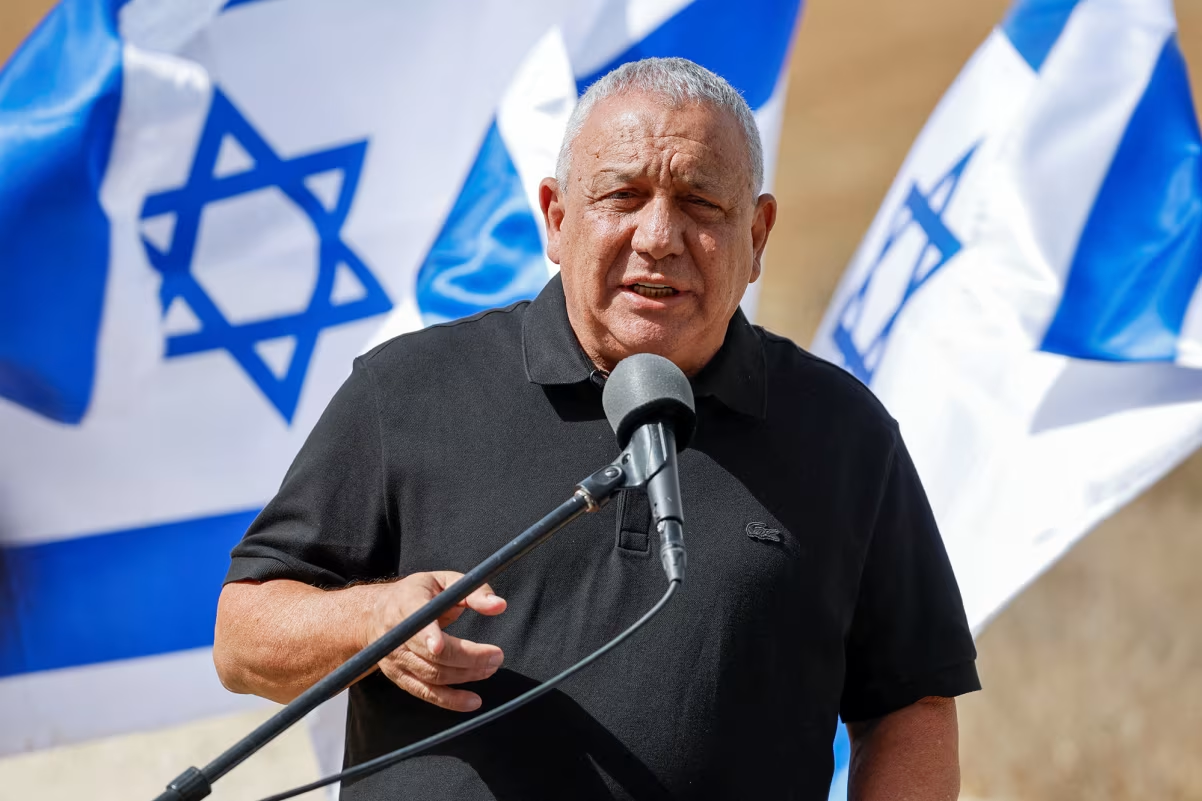
Gadi Eisenkot faces a difficult question ahead of Israel's October 27 election: what kind of government could he actually form?
Eisenkot's Yashar party has presented a program emphasizing national security, constitutional reform, public service and the rebuilding of trust after October 7.
Yet disagreements have emerged over how the opposition could form a government if parties seeking to replace Benjamin Netanyahu do not secure a parliamentary majority on their own.
According to reporting published on October 24, Eisenkot has considered the possibility of forming a minority government with 58 or 59 seats. Such a government could require abstentions or outside parliamentary cooperation to win a confidence vote.
Naftali Bennett and Avigdor Lieberman have opposed forming a government dependent on the support or abstention of Arab parties.
This disagreement is not merely procedural.
It raises questions about which political compromises Eisenkot would accept, whether his potential partners would agree, and how a minority coalition could pass legislation and sustain itself.