
Three years after October 7, Israel is approaching another election. The war has transformed the country's security reality, its citizens' sense of safety, and the questions they ask of their leaders. But has it changed the political system itself?
The political stage is once again occupied by many of the same leaders, the same parties, and the same disputes. The promises have changed, the slogans have been refreshed, but the structure of the system remains remarkably familiar.
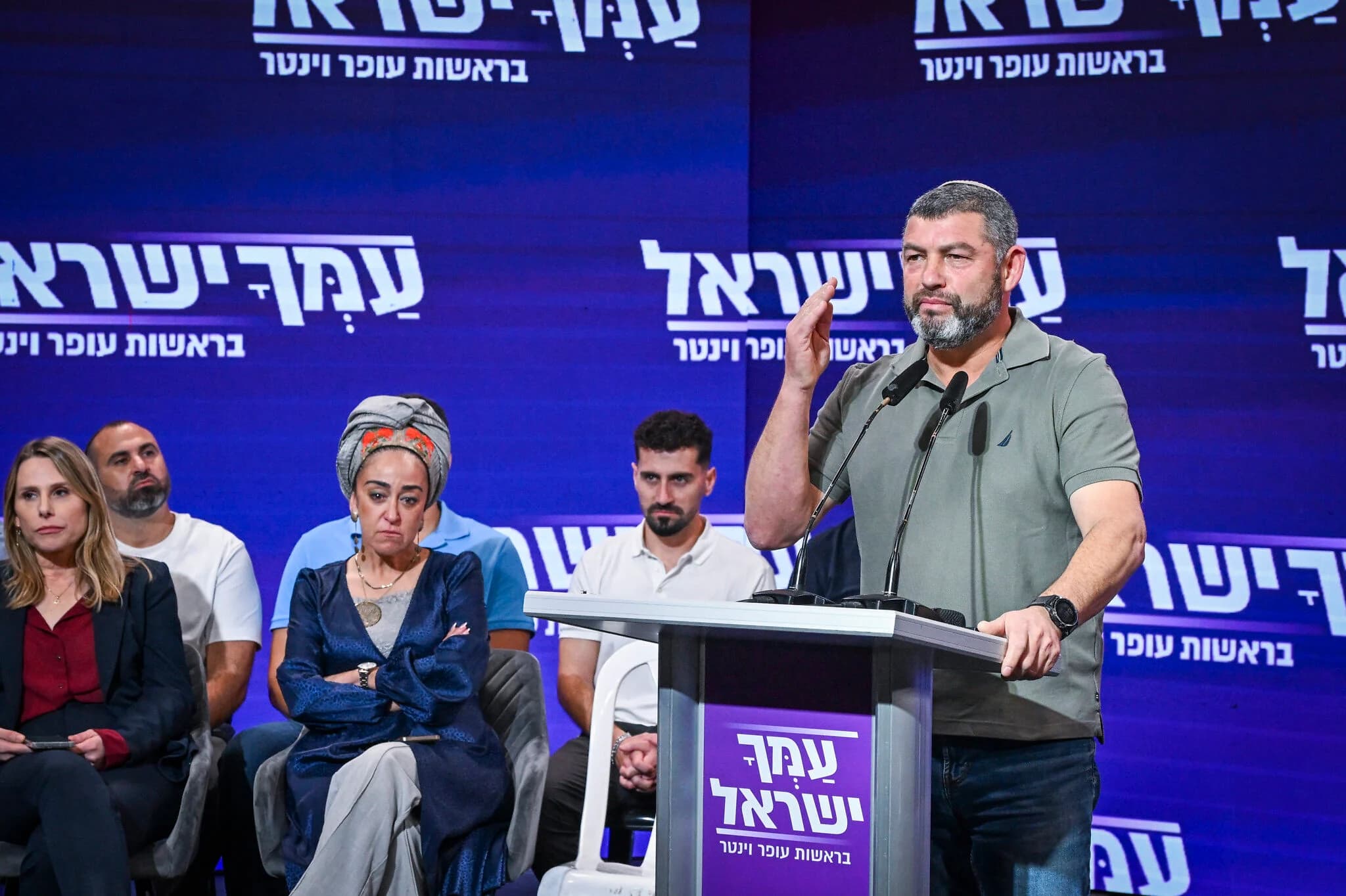
And into this reality steps Brigadier General (Res.) Ofer Winter, chairman of the Amcha Yisrael movement, with one characteristic that sets him apart from the other party leaders: he has never served as a member of the Knesset.
At first glance, this may seem like a simple biographical detail. In reality, it raises a much larger political question: Can someone who did not emerge from within the political establishment bring an entirely different way of thinking into it?
When the Country Changed, but Politics Remained Familiar
October 7 was not merely a national security catastrophe. It also became a defining test of Israel's institutions, its strategic doctrines, and the fundamental assumptions of its leaders.
Since then, Israelis have been forced to confront difficult questions about accountability, preparedness, decision-making, and the relationship between political leadership and the defense establishment.
Yet a transformation in public consciousness does not automatically produce a transformation in the political system.
Established parties possess organizational structures, parliamentary experience, political networks, and proven electoral machinery. These are genuine advantages, but they also raise an important question: How capable is a system accustomed to certain ways of operating of fundamentally reassessing its own assumptions?
A new candidate does not necessarily offer better answers. But the very presence of someone from outside the established political structure creates an opportunity to ask questions that veteran politicians may find difficult to confront.
Political Independence: An Advantage or a Price to Pay?
Winter's decision to run independently rather than merge with an established political party presents him with two challenges at once.
On one hand, independence allows the movement to define its own identity, select its own leadership, and present its positions without prior obligations to an existing party establishment.
On the other hand, it requires building an organizational infrastructure, developing a comprehensive political and civilian agenda, and navigating the parliamentary system without the advantages of an established political machine.
This tension lies at the heart of the matter.
Independence is not an achievement in itself. It becomes meaningful when it enables a movement to present a distinct political vision and take responsibility for pursuing it.
Why Does Competition Within the Same Political Camp Create Conflict?
Winter's candidacy also raises a broader question about Israeli political culture: What happens when a new party appeals to voters whom established parties consider part of their traditional support base?
From the perspective of existing parties, this represents competition for votes and political influence. They may be concerned about divided support or the potential consequences for their ability to form a government.
From the perspective of a new party, that same competition is part of offering voters an additional political choice.
When political disagreements become personal, substantive policy discussions can easily be pushed aside. Instead of debating ideas about national security, governance, and the economy, the conversation becomes focused on the identities of political rivals and their loyalty to a particular camp.
This phenomenon is not unique to Ofer Winter. It reflects a familiar tension in party-based democracies between preserving existing political power and allowing new alternatives to emerge.