
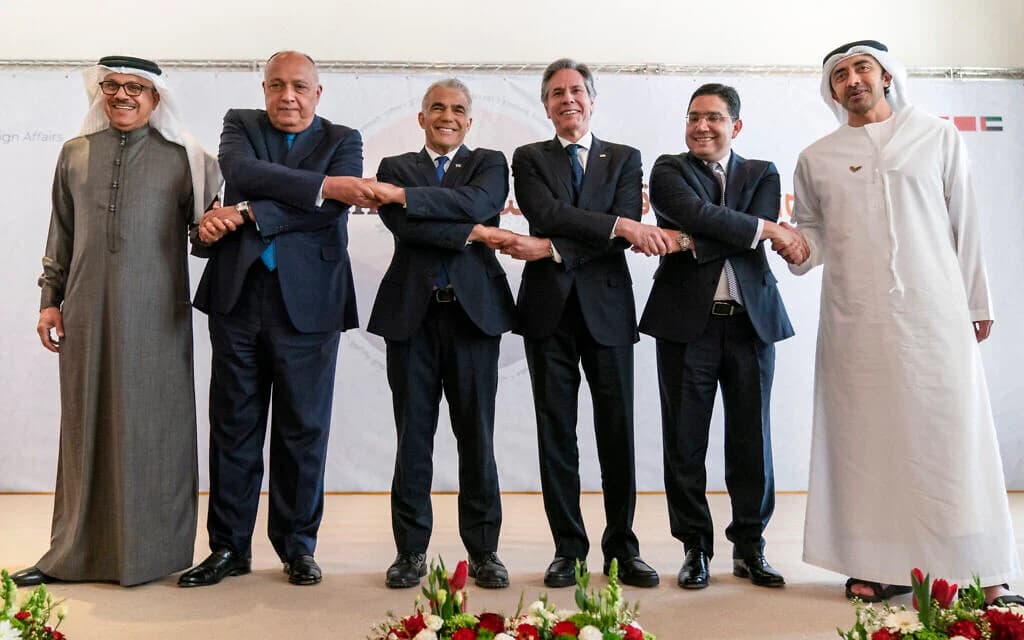
Arab governments watching Israel's October 27 election don't expect whoever wins to abandon a hawkish posture on Iran or move toward accepting Palestinian statehood, but they see real room for smaller shifts that could still reshape the regional picture, The Times of Israel reported.
Diplomats from the region describe a basic baseline that holds regardless of the outcome: Israel's core security doctrine isn't on the ballot. What is, in their view, is a set of secondary but consequential questions, including how aggressively a new government pursues Gaza's rehabilitation, whether it moves to rein in settler violence in the West Bank, how it handles the fragile situation in Syria, what it does with Temple Mount protocols, and how it approaches regional diplomacy more broadly. As one assessment put it, "shifts in Israeli policy, even short of a 180, would make important differences" to how Arab capitals calibrate their own relationships with Jerusalem.