
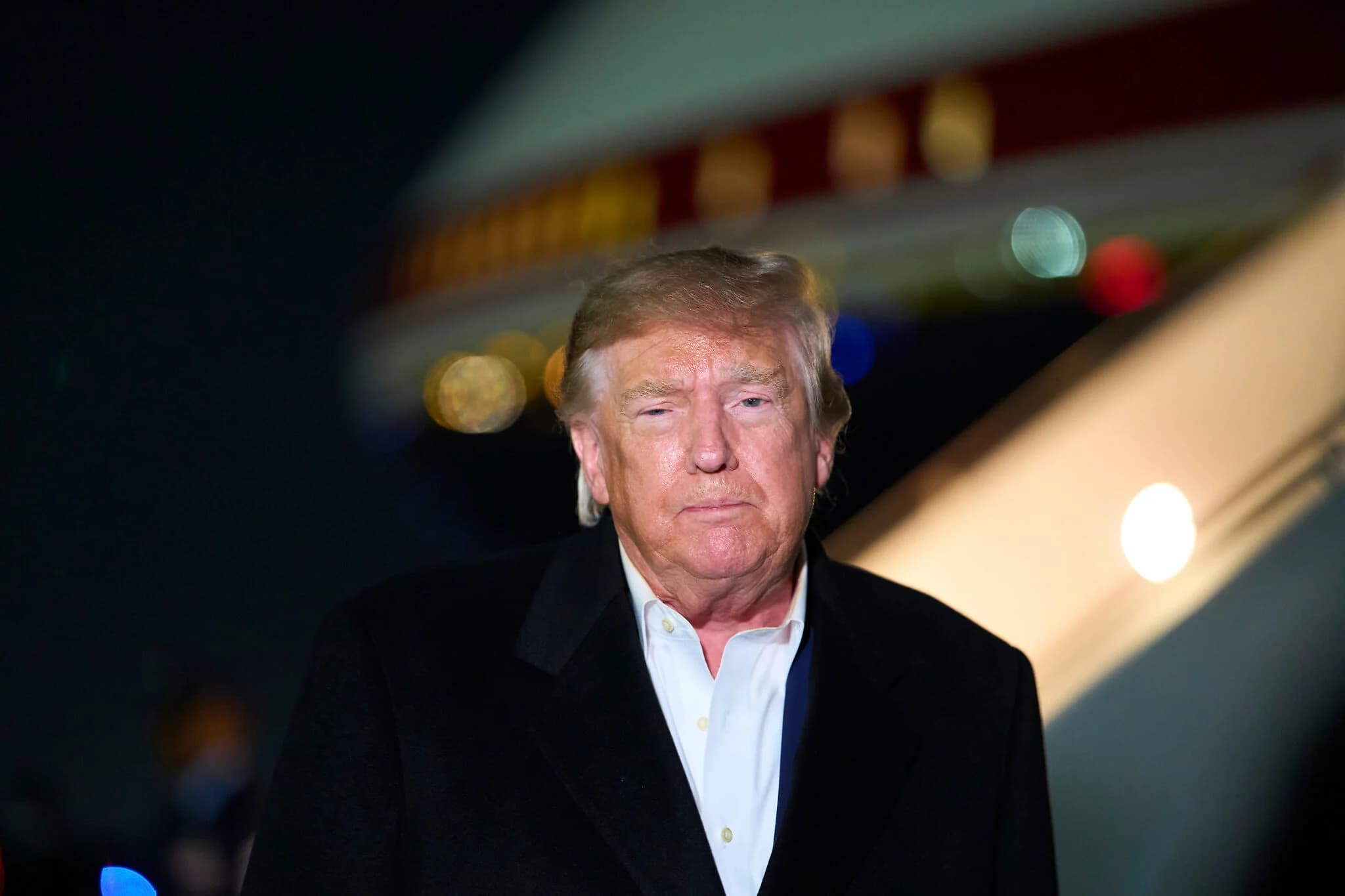
With neither Prime Minister Benjamin Netanyahu's bloc nor Gadi Eisenkot's opposition close to the 61-seat majority needed to govern, analysts have begun pointing to US President Donald Trump as the kind of outside force that could break Israel's coalition deadlock, according to a report by The Times of Israel. High turnout among Arab Israeli voters, driven partly by a desire to remove National Security Minister Itamar Ben Gvir from office, complicated the math further, since most opposition parties have refused to partner with the Arab-led parties despite their record showing.
Trump's potential motivations include stabilizing Israel as a reliable partner against Iran and keeping momentum toward a Saudi Arabia normalization deal, alongside a personal stake in the outcome after endorsing Netanyahu twice in recent election cycles. One proposed mechanism discussed is a rotation government in which Netanyahu would lead first, for roughly two years matching Trump's own remaining term, before handing the premiership to Eisenkot, an arrangement that would also remove Ben Gvir from government, a figure the Trump administration reportedly views as a complicating factor in regional diplomacy.
The mechanism to watch, according to the report, would be White House invitations extended to Israeli party leaders, a diplomatic tool Trump has favored, should President Isaac Herzog's own efforts to broker a coalition fail to produce a government.