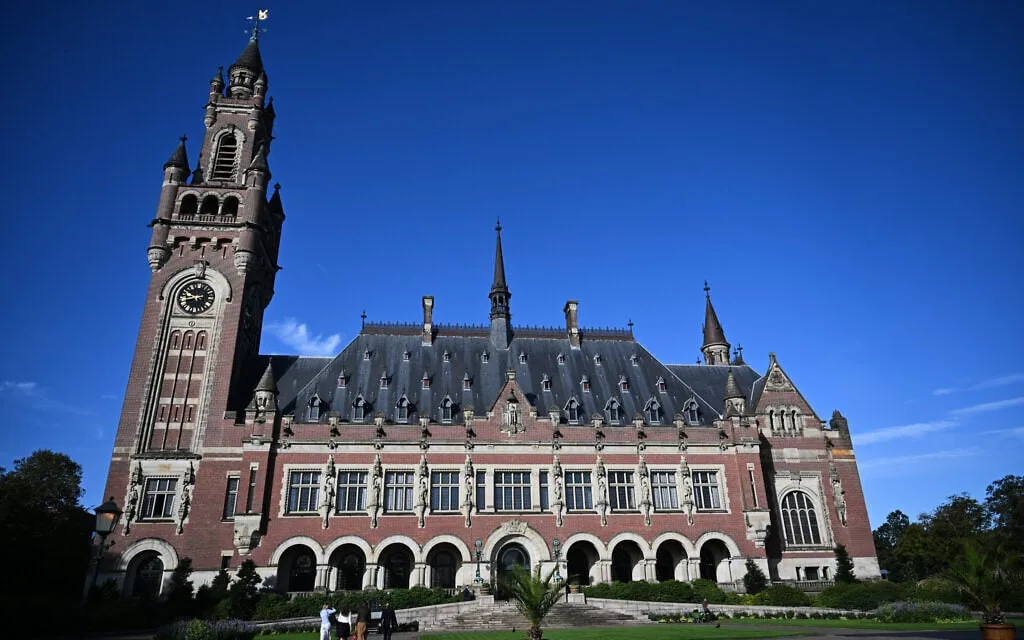
The International Court of Justice is scheduled to rule on Thursday on whether Myanmar committed genocide against the Rohingya Muslim minority in 2017. The decision will be the UN's top court's first genocide judgment in a decade and is being closely watched in The Hague and beyond.
The case was brought by The Gambia under the Genocide Convention after Myanmar's military crackdown forced hundreds of thousands of Rohingya to flee into neighboring Bangladesh. International investigators have documented widespread killings, sexual violence and the destruction of villages.
A test for the Gaza case
Legal experts say the Myanmar ruling is important in its own right, but it also carries weight for another high-profile case on the court's docket: South Africa's genocide proceedings against Israel over the war in Gaza. The two cases involve different facts and contexts, but both turn on how the court defines genocidal intent and state responsibility.