
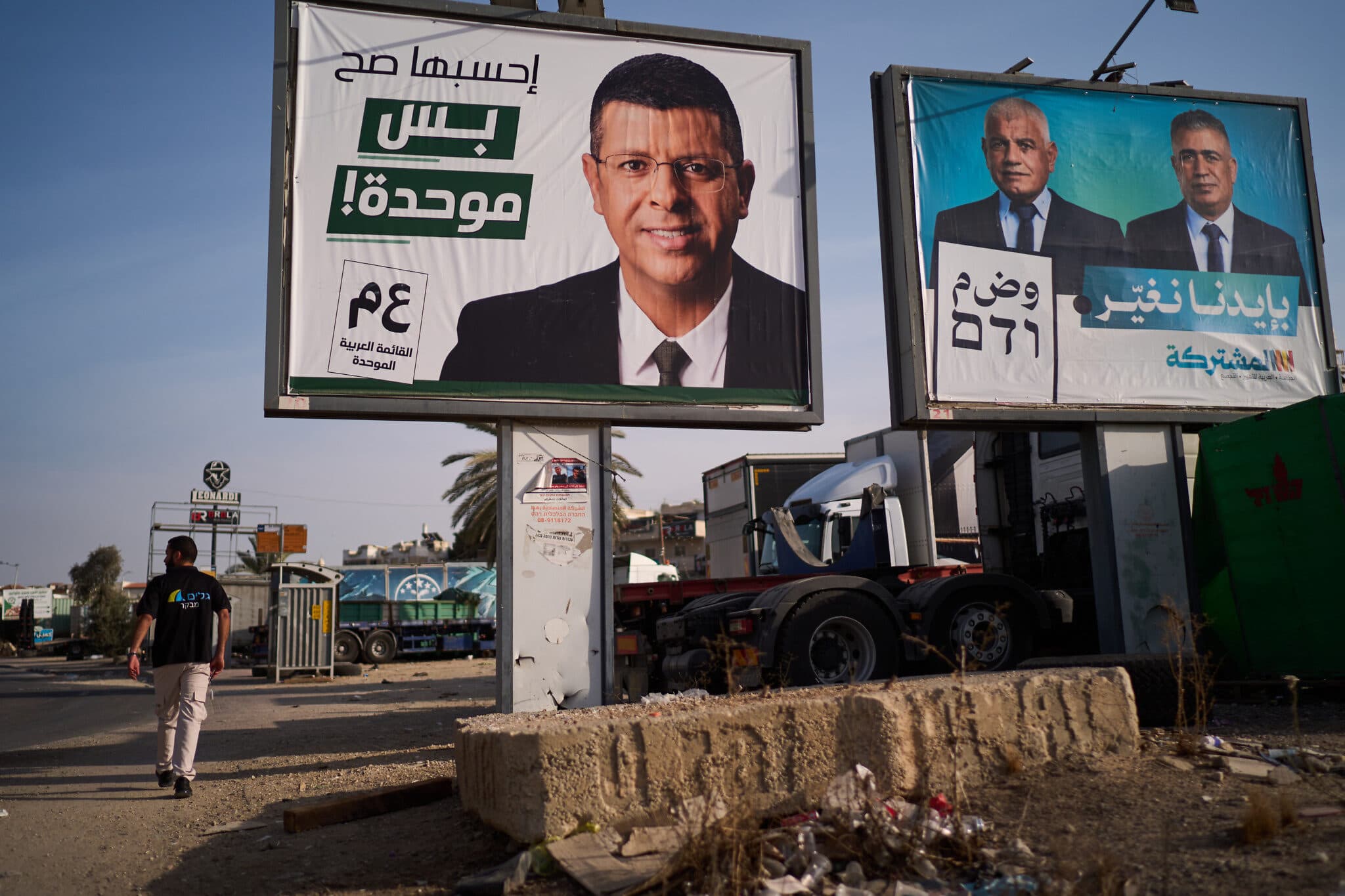
Arab voter turnout reached 77% in Israel's October 27 election, up sharply from 53.2% in 2022, propelling the Joint List to 11 seats and Ra'am to eight for a combined 19, surpassing the previous record of 15 set in 2020, according to a report by The Times of Israel. Researchers cited in the report attributed the surge to Arab communities reaching what one described as a breaking point over conditions under Netanyahu's government, including the Gaza war, settler violence and inadequate services, with many voters framing their participation as a demand for equal citizenship rather than a vote for any single platform.
The two parties differ sharply in approach. The Joint List, a coalition of communist, secular nationalist and Palestinian nationalist factions, describes Israel's policies toward Palestinians as discriminatory and has said it will offer parliamentary support to an anti-Netanyahu government from outside rather than formally join one, a distinction several Jewish-led parties have said they find unconvincing. Ra'am, by contrast, is Islamist but pragmatic, having joined Naftali Bennett and Yair Lapid's coalition in 2021 on the basis of winning concrete gains for Arab communities, and some of its own candidates have likewise declined to condemn Hamas when asked.
Resistance from potential Jewish-led partners remains the central obstacle: Yisrael Beytenu has ruled out any minority government dependent on Arab support, Yashar's Gadi Eisenkot has set recognition of Hamas as a terrorist organization as a precondition for cooperation, and only Democrats chairman Yair Golan has actively engaged with Arab party leadership. The dispute leaves an open question over whether excluding roughly a fifth of Israel's population from influence over government formation is compatible with democratic principle, against opposing concerns that parties some view as rejecting the state's core identity should not determine who governs it.