Jewish Heirs Ask Court to Stop $180 Million Van Gogh Sale Over Nazi-Era Forced Deal
Descendants of a Jewish family say a Vincent van Gogh painting slated for auction at Sotheby's was sold under Nazi pressure in 1936 and should not be sold until the dispute is resolved.
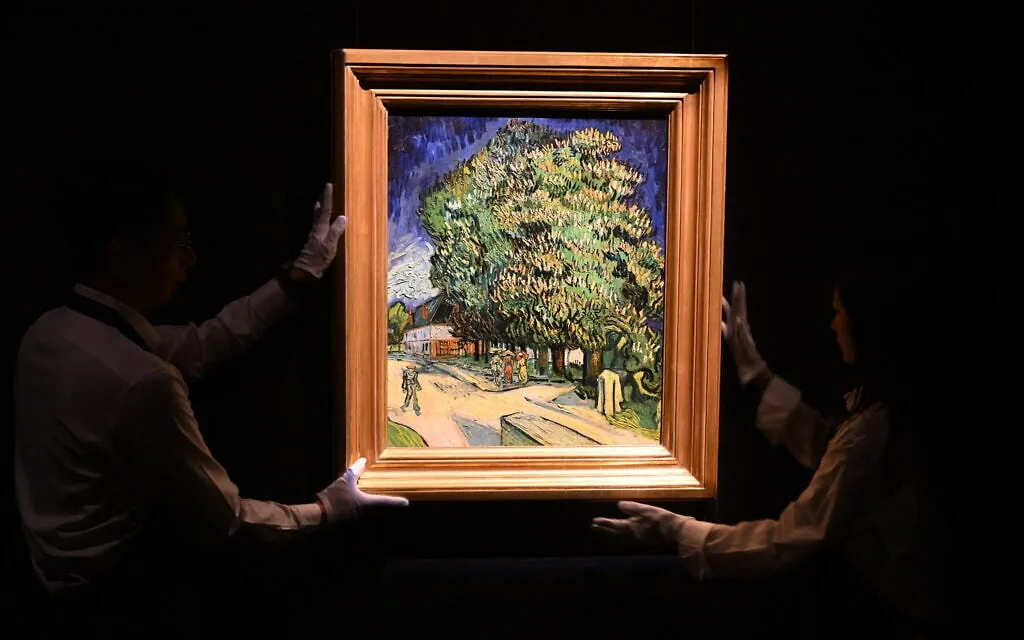
A Vincent van Gogh painting displayed at an auction preview. · Source: AFP
The descendants of a Jewish family are asking a court to block the auction of a Vincent van Gogh painting expected to fetch about $180 million, arguing that the work was sold under duress during the Nazi era and still belongs to them.
The painting, which Sotheby's had planned to sell, was part of the collection of the Fischer family. According to the heirs, the 1936 transaction was driven by Nazi persecution and was not a voluntary sale. They say the family was forced to dispose of valuable assets as antisemitic laws tightened their grip on Jewish property.
A long-running restitution battle
The case is the latest chapter in a decades-long effort by Jewish families to recover art and property lost under Nazi rule. Thousands of works were confiscated, sold under pressure, or simply stolen between 1933 and 1945, and many remain in museums and private collections around the world.
Sotheby's has said its research has not established that the painting was sold under duress. The auction house maintains that the transaction took place at market price and that the heirs have not proved their claim to ownership.
Questions of proof and justice
The dispute turns on a familiar problem in art-restitution cases: how to determine whether a sale made under the shadow of persecution was truly voluntary. Jewish collectors and their heirs have argued that even transactions that appeared lawful on paper were often made under conditions that left sellers no real choice.
Courts and museums have increasingly accepted this broader view, returning works or paying settlements when evidence shows a sale was tainted by Nazi coercion. The Van Gogh case, with its high price tag and prominent auction house, is likely to attract attention from restitution advocates and the wider art market.
What's next
The heirs are seeking an injunction to prevent the sale from going forward until the ownership question is resolved. If the court sides with them, the painting could be pulled from auction and returned to the family, or the parties could negotiate a settlement.
For the Fischer heirs, the case is about more than money. It is an effort to undo a transaction they say was forced on their family nearly nine decades ago.