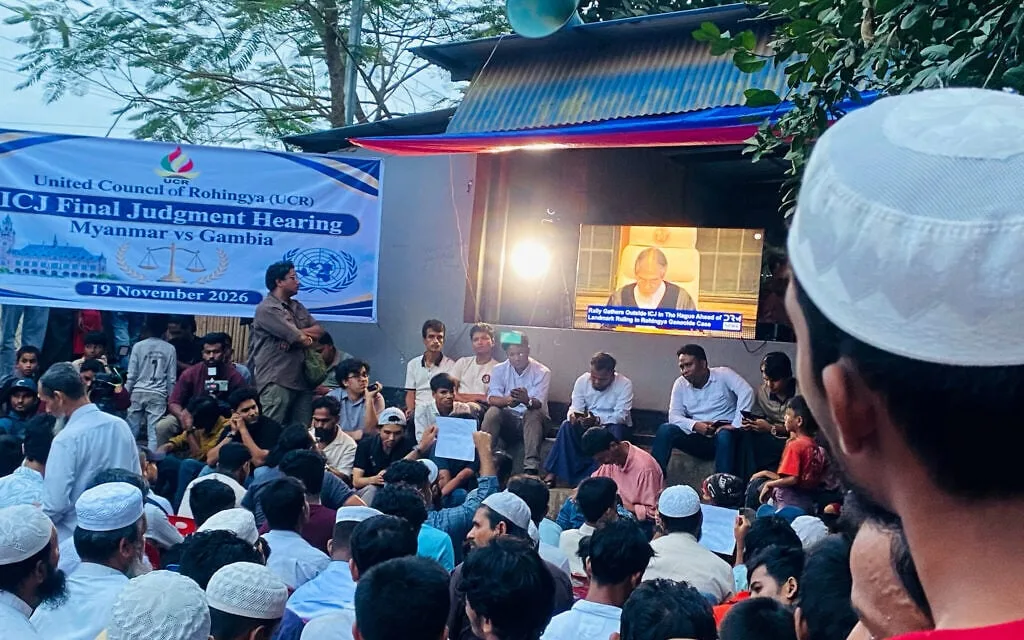
Myanmar's military authorities rejected a landmark ruling by the International Court of Justice that found the country responsible for genocide against the Rohingya Muslim minority in 2017. The decision, which orders reparations and safe conditions for the return of refugees, was dismissed by Myanmar's government as unfair.
The court's judgment is the first genocide ruling by the UN's top court in a decade. It stems from a case brought by The Gambia under the Genocide Convention after Myanmar's military launched a crackdown that forced more than 700,000 Rohingya to flee into Bangladesh. International investigators documented killings, sexual violence and the burning of villages on a wide scale.
Reactions on the ground
In refugee camps across Bangladesh, Rohingya community leaders welcomed the ruling but stressed that words must be followed by enforcement. Many said they would not return home without guarantees of citizenship, safety and accountability for those responsible for the violence.
Malaysia added a practical dimension to the response by announcing that 10,000 Rohingya refugees currently in the country would be resettled in Turkey. The move offers a partial exit for one of the largest Rohingya populations in Southeast Asia, though it does not address the underlying question of whether Myanmar will ever allow a safe return.