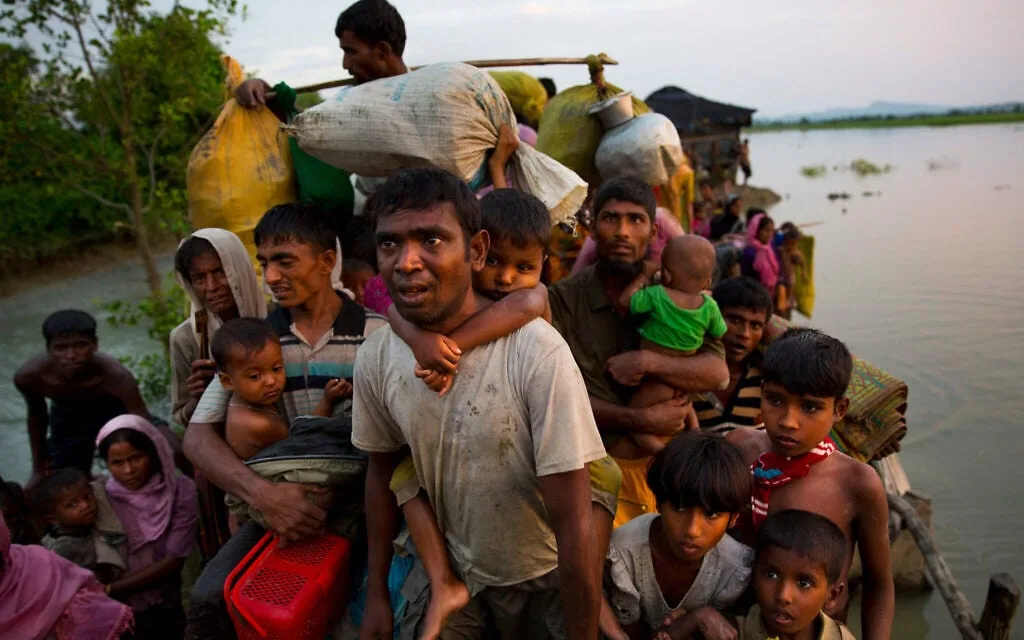
The International Court of Justice in The Hague delivered a historic ruling on Thursday, finding that Myanmar committed genocide against the Rohingya Muslim minority during military operations in northern Rakhine state in 2017. The decision, adopted by a 9-6 vote, marks the first time the UN's highest court has held a state directly responsible for genocide.
Reading the judgment, ICJ President Yuji Iwasawa said Myanmar's security forces killed thousands of Rohingya civilians, carried out widespread sexual violence, committed extreme violence against children, and attacked Rohingya as they fled. The court rejected Myanmar's argument that the campaign was a legitimate counterinsurgency operation.
Context and consequences
The case was brought by The Gambia under the 1948 Genocide Convention after a military crackdown forced more than 740,000 Rohingya to flee into Bangladesh. About 1.2 million Rohingya now live in crowded camps in Cox's Bazar, where they face fires, disease, landslides and strict limits on work.
The court ordered Myanmar to make reparations and to ensure those responsible are punished. Its rulings are final and binding, though enforcement depends on the UN Security Council, where Myanmar's ally China holds veto power.