Trump May Hold Off on Iran Strikes if Tehran Avoids Provocation, Sources Say
US President Donald Trump has told senior advisers he may not order new military strikes against Iran if the Islamic Republic avoids fresh provocations, even as regional allies press for restraint and Tehran reports tanker damage in the Strait of Hormuz.
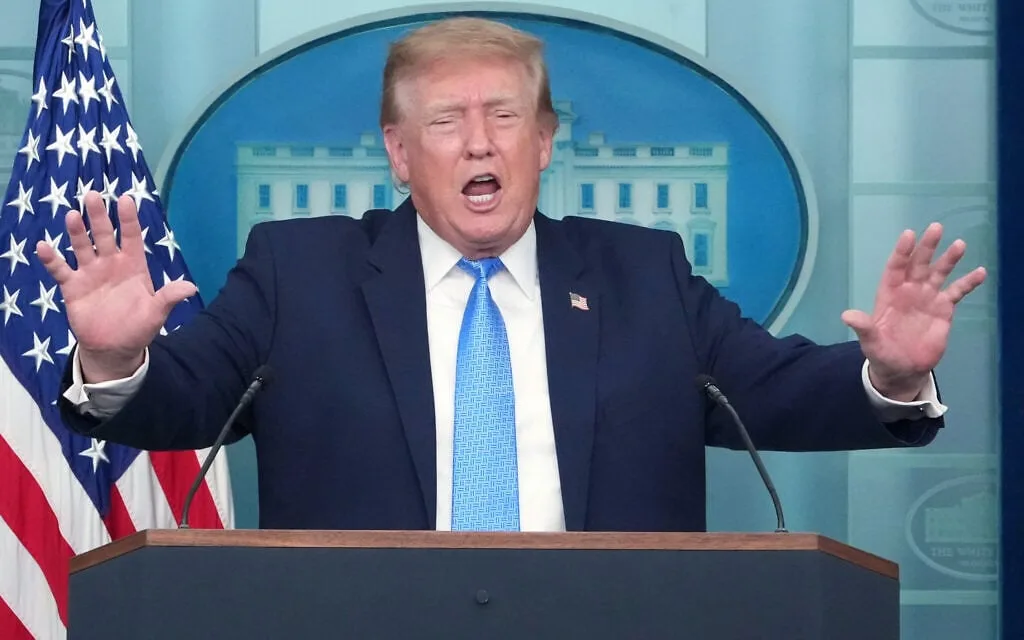
US President Donald Trump speaking with reporters. · Source: AP
US President Donald Trump has told senior advisers in recent days that he may hold off on further military strikes against Iran if the Islamic Republic does not stage new provocations against the United States, according to people familiar with the discussions.
The comments, reported by the Times of Israel, suggest a possible pause in the administration's more aggressive public rhetoric toward Tehran. Trump had warned earlier in the week that the US military was prepared for a massive attack, while adding that he was not in a hurry to launch one.
Regional allies urge restraint
Officials from Saudi Arabia, Oman, Qatar and Egypt are said to have raised concerns that a wider American military intervention would destabilize the region and disrupt global energy markets. Their message appears to have resonated with a president who has repeatedly framed himself as wary of prolonged foreign wars.
At the same time, Iran reported that three tankers were damaged by mines in the Strait of Hormuz, the narrow waterway through which a fifth of the world's oil passes. The incidents keep tensions high even as diplomats look for an off-ramp.
Advisers divided
Some of Trump's national security advisers have reportedly favored swift and decisive action against Iranian targets, including ballistic missile sites and facilities tied to the Islamic Revolutionary Guard Corps. Others have warned that a broader campaign could deplete American air-defense missile stocks and draw the United States into a protracted conflict.
Trump's own position appears to be conditional. If Iran refrains from new attacks on American forces or shipping, the administration may keep its response in reserve. If Tehran escalates, the pause could end quickly.
What's at stake
The Strait of Hormuz remains one of the most strategically sensitive chokepoints in the world. Any sustained disruption there would ripple through oil markets and raise prices for consumers worldwide. The risk of miscalculation, with both sides trading threats and limited strikes, remains significant.
For now, the administration is sending two signals at once: that it is prepared to hit Iran hard, and that it would prefer not to if Iran gives it a reason to hold back.